Shop by Mood
Signature
Bold, distinctive scents that make a statement
Perfect For
Signature Fragrances


















What Makes a Signature Fragrance?
A signature fragrance isn't just a bottle on a vanity; it is the invisible architecture of your identity. It's the scent that precedes you into a room and lingers long after the door has clicked shut. In the world of perfumery, we often talk about "wearability," but a signature scent—a true statement fragrance—isn't about blending in. It's about marking your territory.
For the Lavender Thorne woman, a signature fragrance is a tool for self-expression. It's the olfactory equivalent of a perfectly tailored black blazer or a vintage gold watch; it's consistent, reliable, and inherently you. While the mainstream market often pushes "clean" and "fresh" scents that disappear by lunch, a statement fragrance demands attention. It's built on a foundation of heavy hitters: oud, leather, smoke, and resins. These aren't scents that whisper; they speak with conviction.
Choosing a signature fragrance requires a certain level of bravery. It means moving away from the crowd-pleasers and leaning into notes that might be polarizing. The goal isn't for everyone to like it; the goal is for it to feel like your second skin. When you find that one scent that resonates with your internal rhythm, it becomes more than just a perfume. It becomes a memory that people associate specifically with you. It's the smell of your wool coat in the winter, the scent of your skin at a late-night dinner, and the trail you leave in your wake on a London street.
Understanding Statement Scent Families
If you're looking to make a statement, you need to understand the heavyweights of the fragrance world. These are the ingredients that provide the "bones" of a signature scent, giving it the longevity and sillage necessary to leave a lasting impression.
The Oud Obsession Oud—or Agarwood—is often referred to as "liquid gold," and for good reason. Derived from the resinous heartwood of infected Aquilaria trees, it is deep, woody, and slightly animalic. It has a complexity that is unmatched in the natural world. A signature oud fragrance can range from the medicinal and sharp to the sweet and jammy when paired with rose. It's the ultimate power move in a bottle.
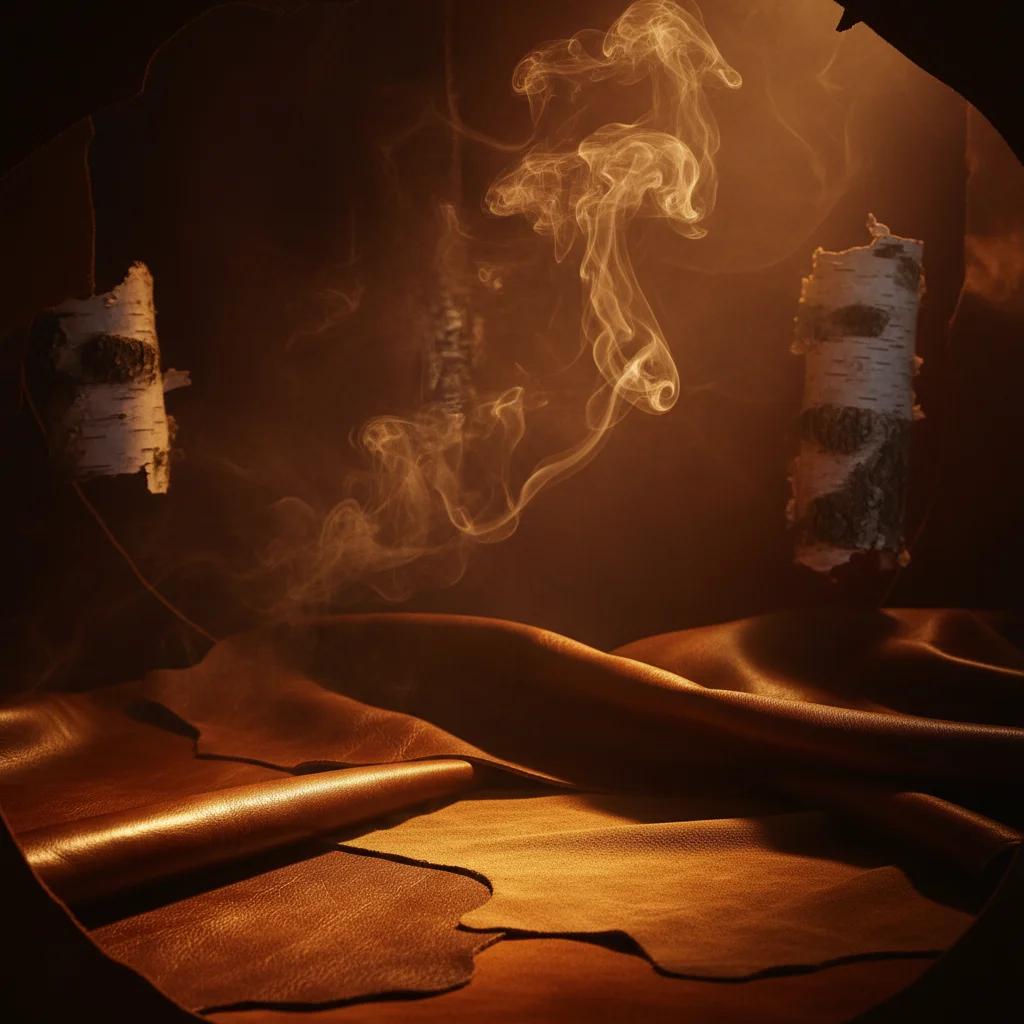
Leather and Suede There is something inherently sophisticated about a leather note. It evokes the interior of a luxury car, a well-loved handbag, or a vintage biker jacket. In perfumery, leather notes can be achieved through birch tar (for a smoky, rugged feel) or saffron (for a smoother, more "suede-like" texture). It's a note that suggests toughness tempered by elegance—perfect for someone who wants their scent to have an edge.
Smoke and Incense Smoky fragrances are the poets of the olfactory world. They rely on notes of frankincense, myrrh, tobacco, and labdanum to create a sense of mystery. These scents are often atmospheric, evoking images of charred wood, old libraries, or sacred spaces. They are deeply personal and often have a "haunting" quality that makes them incredibly memorable as a signature.
Finding Your Olfactory Identity
Finding your olfactory identity is a process of elimination as much as it is a process of discovery. We've all had that experience of smelling a beautiful fragrance on a friend, buying it, and realizing it feels like wearing someone else's clothes. Your skin chemistry is the final ingredient in any bottle, and with bold, statement scents, that interaction is even more pronounced.
When searching for your signature, don't rush the process. Start by looking at your lifestyle. Are you someone who thrives in the boardroom and needs a scent that commands respect? Look for sharp leathers or dry, smoky woods. Do you prefer a vibe that is more bohemian and nocturnal? Perhaps a deep, spicy oud with a hint of dark vanilla is your match.
The debate between niche and designer is particularly relevant in the "signature" category. Designer scents are crafted to be broadly appealing, which can sometimes result in a lack of character. Niche houses, on the other hand, often give their perfumers more freedom to use higher concentrations of rare materials and experiment with "difficult" notes. If you want a scent that no one else in the room is wearing, niche is usually the way to go. However, many high-end designer "private collections" (think Dior Privee or Tom Ford Private Blend) offer that same level of exclusivity and daring.
Buying Guide
Investing in a statement fragrance is just that—an investment. Because these scents rely on complex resins and natural oils, they often come with a higher price tag. But here is the secret: you use far less. A high-quality oud or leather fragrance has incredible longevity; two sprays in the morning will often still be detectable on your skin the following evening.
When you're ready to buy, follow the Lavender Thorne Rule of Three. Never buy a statement scent after the first spray. These fragrances are "linear" in the best way—they take hours to develop. 1. The First Impression: Spray it on a card to see if you even like the profile. 2. The Skin Test: Spray it on your wrist and wear it for a full day. See how it interacts with your natural chemistry. 3. The Environment Test: Wear it in the environment where you'll use it most. Does it feel right in your office? Does it feel right for a night out?
Savour the search. Finding a signature fragrance is a rite of passage. It's the moment you stop wearing perfume to please others and start wearing it to announce yourself. Look for quality over quantity—favour the complexity of a well-blended juice over the flashiness of a bottle. Once you find it, you'll realize that the right scent doesn't just complete an outfit; it completes the person.